
Urban Gothic is a subgenre of dark fiction that transplants the classic atmosphere of traditional Gothic horror into the decaying heart of the modern city.
While traditional Gothic focuses on crumbling castles and ancestral curses, Urban Gothic emphasizes the “architectural uncanny,” exploring themes of social isolation, industrial decay, and the hidden horrors lurking within skyscrapers, subway systems, and abandoned tenements.
By blending elements of noir, supernatural dread, and gritty realism, this genre transforms the familiar landscape of the metropolis into a labyrinthine nightmare, highlighting the psychological toll of city life and the persistent shadows that modern technology cannot erase.
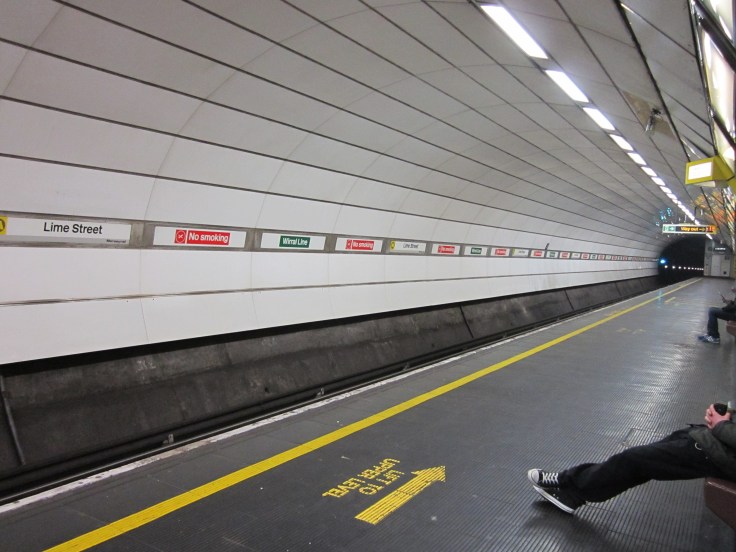
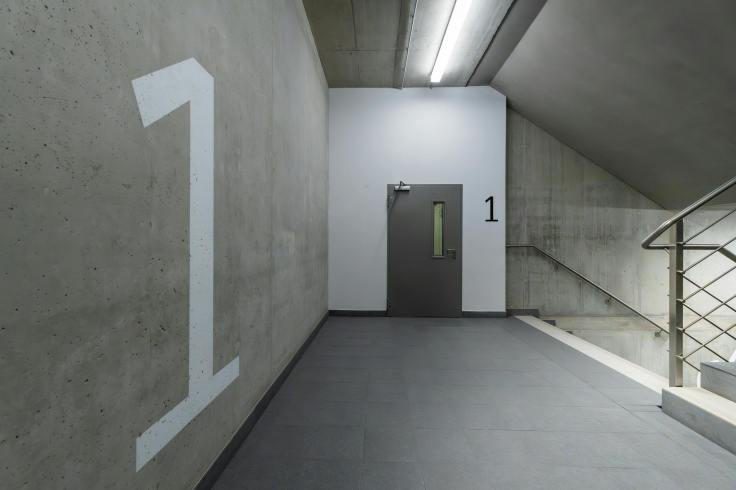
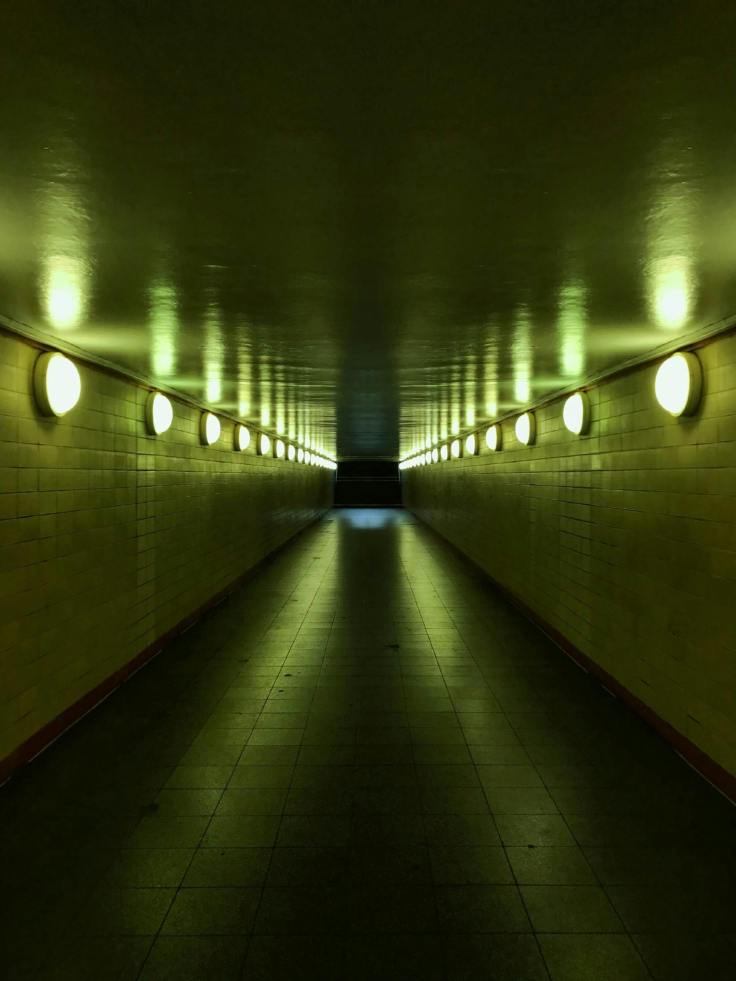
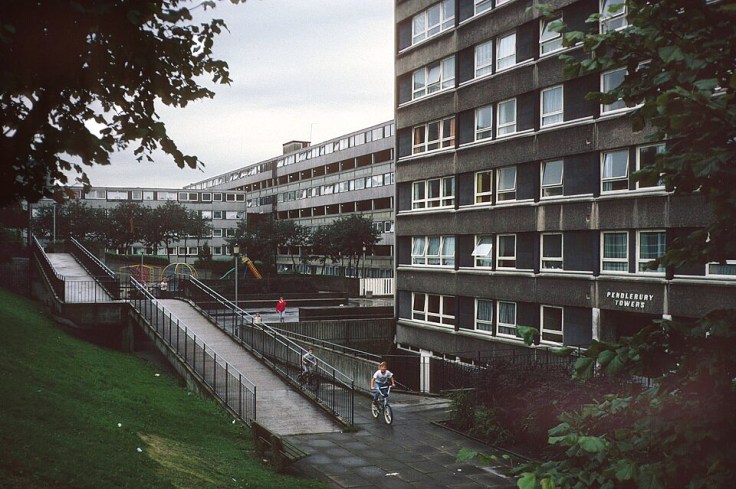
Visual cues
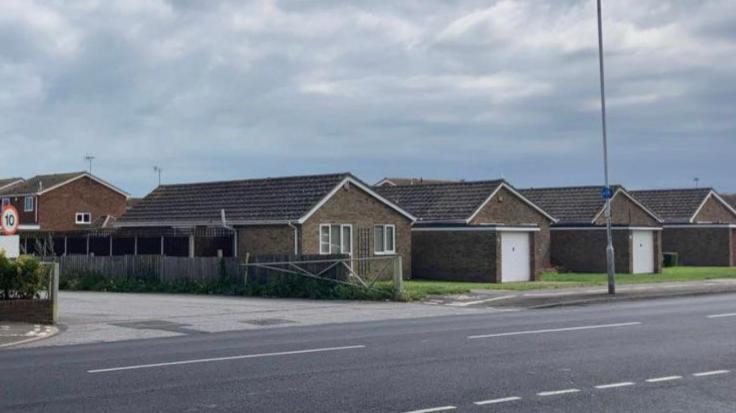
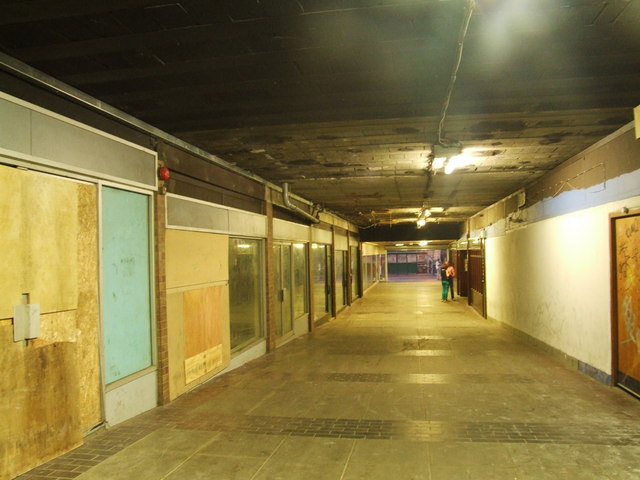
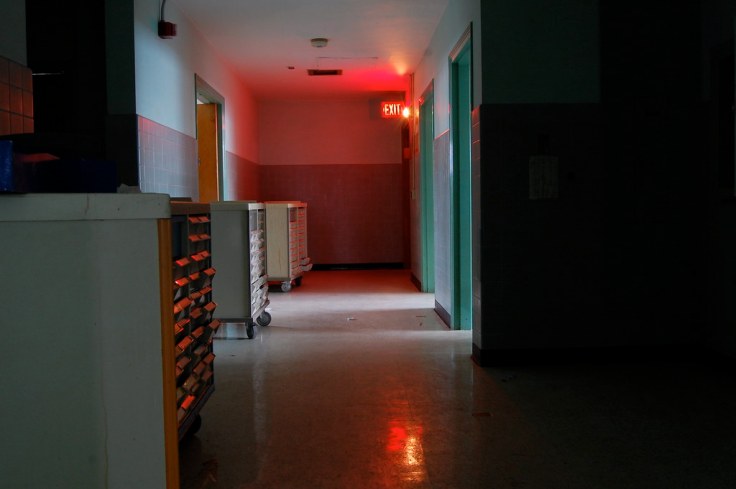
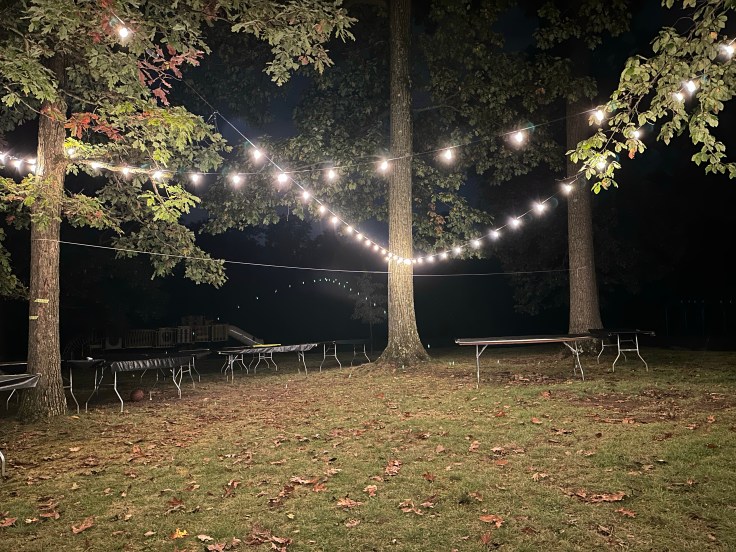
Urban gothic and social commentary
The soot-stained streets of Victorian London in books like Oliver Twist and Out of the Smoke represent the dangers of the city and modern urban living. Authors such as Dickens (and myself!) use Urban Gothic tropes to communicate the feeling of living in a crowded, industrial metropolis.
Tropes such as darkness, decay and liminal spaces make social issues feel immediate and personal by heightening the drama of the setting, and emphasising the hopelessness faced by those who are struggling to survive.
Dickens and the 1830s
Charles Dickens wrote Oliver Twist by looking at the world he saw every day. He used the story to criticize the Poor Law Amendment Act of 1834, which essentially punished people for being poor by sending them to workhouses, and forced his readers to face up to the grim reality of life for those with nowhere else to go.
Many popular stories at the time made criminals look exciting and glamourous, but Dickens showed that the criminal underworld was actually a violent and exploitative place.
Specific Gothic tropes help readers understand how difficult city life was for the poor:
- Chiaroscuro (Contrast): This shows the gap between the rich and the poor. For example, bright, expensive houses sitting next to a freezing, pitch-black alley.
- The Labyrinth: The confusing, narrow streets of London’s slums feel like a maze. This communicates how people felt trapped in a system that offered no easy escape.
- Discordant Sound: Noises like the screaming of chimney sweeps or the clatter of machinery create a sense of anxiety. These sounds suggest that industrial progress came at a human cost.
Charity and social reform in “Out of the Smoke”
In Out of the Smoke, I’m not writing about contemporary events; I’m looking back at the Victorian era with a modern lens. We can now see how Victorian Christian charity worked in practice, but to some people the work of reformers such as Lord Shaftesbury can seem overly moralistic and paternalistic.
Like Dickens, I use gothic tropes to heighten the desperate state that people were in at the time. My aim is different, however: I’m trying to communicate to modern readers the necessity of Victorian Christian charity in a city that felt, to some, like a monster that was eating them alive.
Reformers like Lord Shaftesbury started Ragged Schools to provide food and basic education to children who had nothing. My book aims to show that charity was a desperate response to a city that was dangerous for children. It shows the urgency of the situation rather than just being a moral duty.
Urban gothic today
The Urban Gothic genre asks us to think about the balance of power in our own cities. By making the atmosphere dark and tense, these stories prevent the past from feeling disconnected.
They encourage us to look at our own modern cities and ask who is still being left behind. The social problems Dickens wrote about have changed, but many of the same questions about responsibility and voice remain.
Extract 1: Oliver Twist
Although Oliver had enough to occupy his attention in keeping sight of his leader, he could not help bestowing a few hasty glances on either side of the way, as he passed along. A dirtier or more wretched place he had never seen. The street was very narrow and muddy, and the air was impregnated with filthy odours.
There were a good many small shops; but the only stock in trade appeared to be heaps of children, who, even at that time of night, were crawling in and out at the doors, or screaming from the inside. The sole places that seemed to prosper amid the general blight of the place, were the public-houses; and in them, the lowest orders of Irish were wrangling with might and main. Covered ways and yards, which here and there diverged from the main street, disclosed little knots of houses, where drunken men and women were positively wallowing in filth; and from several of the door-ways, great ill-looking fellows were cautiously emerging, bound, to all appearance, on no very well-disposed or harmless errands.
Oliver was just considering whether he hadn’t better run away, when they reached the bottom of the hill. His conductor, catching him by the arm, pushed open the door of a house near Field Lane; and drawing him into the passage, closed it behind them.
Oliver, groping his way with one hand, and having the other firmly grasped by his companion, ascended with much difficulty the dark and broken stairs: which his conductor mounted with an ease and expedition that showed he was well acquainted with them.
He threw open the door of a back-room, and drew Oliver in after him.
The walls and ceiling of the room were perfectly black with age and dirt. There was a deal table before the fire: upon which were a candle, stuck in a ginger-beer bottle, two or three pewter pots, a loaf and butter, and a plate. In a frying-pan, which was on the fire, and which was secured to the mantelshelf by a string, some sausages were cooking; and standing over them, with a toasting-fork in his hand, was a very old shrivelled Jew, whose villainous-looking and repulsive face was obscured by a quantity of matted red hair. He was dressed in a greasy flannel gown, with his throat bare; and seemed to be dividing his attention between the frying-pan and the clothes-horse, over which a great number of silk handkerchiefs were hanging. Several rough beds made of old sacks, were huddled side by side on the floor. Seated round the table were four or five boys, none older than the Dodger, smoking long clay pipes, and drinking spirits with the air of middle-aged men. These all crowded about their associate as he whispered a few words to the Jew; and then turned round and grinned at Oliver. So did the Jew himself, toasting-fork in hand.
Extract 2: Out of the Smoke
The south bank of the Thames was as poor and run-down as the north bank was majestic. Shabby houses teetered precariously over the scummy brown water, shored up by rotten timbers but looking as if they might tumble into the river at any moment; wharves and jetties littered the water’s edge, their posts mired in green weed, backed by ramshackle sheds and workshops crowded together in a jumble of grimy brick and decaying wood.
The boys shuffled down Westminster Bridge Road, merging with the crowds of tradesmen returning home from a long day’s work. Passing under the massive viaduct that carried the railway line out of Waterloo, they turned off the thoroughfare into the maze of streets and alleys that huddled behind the station. Immediately they were plunged into darkness, punctuated only by the grubby flickering of candlelight from grime-smeared windows, or else the odd fire roaring in a brazier on a corner, around which shadowed figures huddled, desperate for warmth.
The boys stayed close to Gerard—they had all heard the stories of children being snatched from the street, never to be seen again—and followed him deeper into the maze, passing shuttered shops, looming tenement houses, and smoky pubs from which the noise of raucous laughter and frantic music mingled with fumes of whisky and gin. Street children scuttled in the shadows, their eyes wider and their bellies more shrunken than any of the boys who trailed after Gerard. Hard, suspicious faces glared out of doorways as they passed, men and women whose expressions were a mixture of defiance and creeping fear: fear of living, fear of dying, fear of cold, hunger, thirst and pain.
Gerard ducked through a narrow doorway off one of the darkest alleys, and the boys followed him up a steep flight of rickety wooden stairs in pitch blackness. At the top of the stairs Gerard paused while he fished out a ring of keys from inside his jacket, then fumbled around in the darkness for a minute; there was a rattle and a clunk, then the squeal of a door being shoved open, and the line of boys began to move again. They filed through the door into a freezing black void, and waited while Gerard muttered and cursed and looked for matches to light the lamp. When they were found he struck one, and a feeble light flickered into life, illuminating the squalid attic they called the House.
There was not much to see. The room was long and low, the roof sloping sharply down on either side and the whole space criss-crossed with heavy wooden beams. Shadows congregated in every corner; cobwebs hung thick from the rafters; dust and muck and filth carpeted the bare wooden boards, where old beer bottles and chicken bones lay scattered. In the farthest corner was the place where the boys slept, and in the opposite corner was Gerard’s hay-stuffed mattress and his padlocked clothes trunk.

